Make Your Sleep Environment Comfortable
Make a few practical changes to light, sound, temperature and bedding so your sleep space feels more supportive of rest.
Read MoreFOR PARENTS · 6 MIN READ
A parent-focused guide to breathing assessment, age and product labels, skin reactions, and the signs that need medical attention.

If a child often sleeps with their mouth open, the first question is why it is happening. Closing the lips does not identify the cause or show that nasal breathing is adequate during sleep. A child's breathing pattern, symptoms and medical history deserve attention before any product choice.
This guide does not recommend routine mouth taping for children or provide an application method. It explains the precautions parents should understand and the questions to take to a pediatric clinician. Do not tape a baby's mouth. A home experiment to see whether a child sleeps more quietly is not a substitute for assessing their breathing.
Children can have difficulty breathing through the nose for reasons that need assessment. Enlarged adenoids, for example, can contribute to nasal blockage, mouth breathing and snoring. The NHS explains these connections; they do not mean every child who mouth-breathes needs an operation.
Enlarged tonsils and adenoids are also a common cause of obstructive sleep apnea in children, according to Great Ormond Street Hospital. Tape applied outside the mouth cannot remove an obstruction inside the nose or throat.
Do not use tape to make a child breathe through a congested nose, including during a cold or an episode of nasal allergy symptoms. Persistent symptoms need their own explanation and care plan.
Tell your child's clinician about frequent snoring, breathing difficulty at night, observed pauses or gasping. Mention daytime sleepiness, difficulty paying attention or changes in behavior as well. These observations do not diagnose sleep apnea, but they can help a clinician decide what to investigate. The American Academy of Pediatrics describes symptoms and assessment.
Before an appointment, note whether symptoms occur only with a cold or also when your child is well, whether mouth breathing occurs in the daytime and whether sleep seems restless. Keep the notes brief. Do not delay seeking advice while trying to collect a perfect record, and do not use a quieter night after covering the mouth as evidence that the problem is solved.
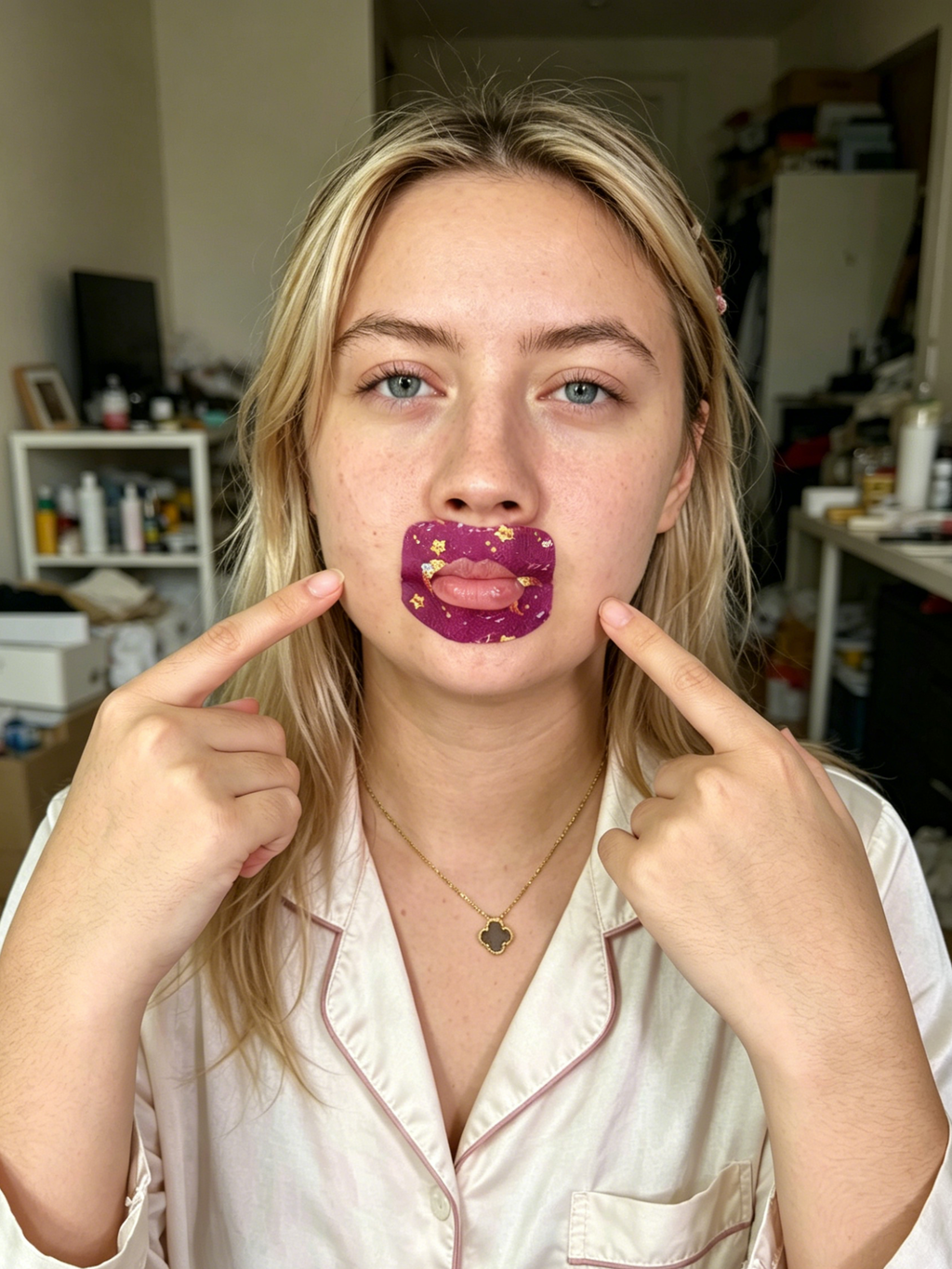
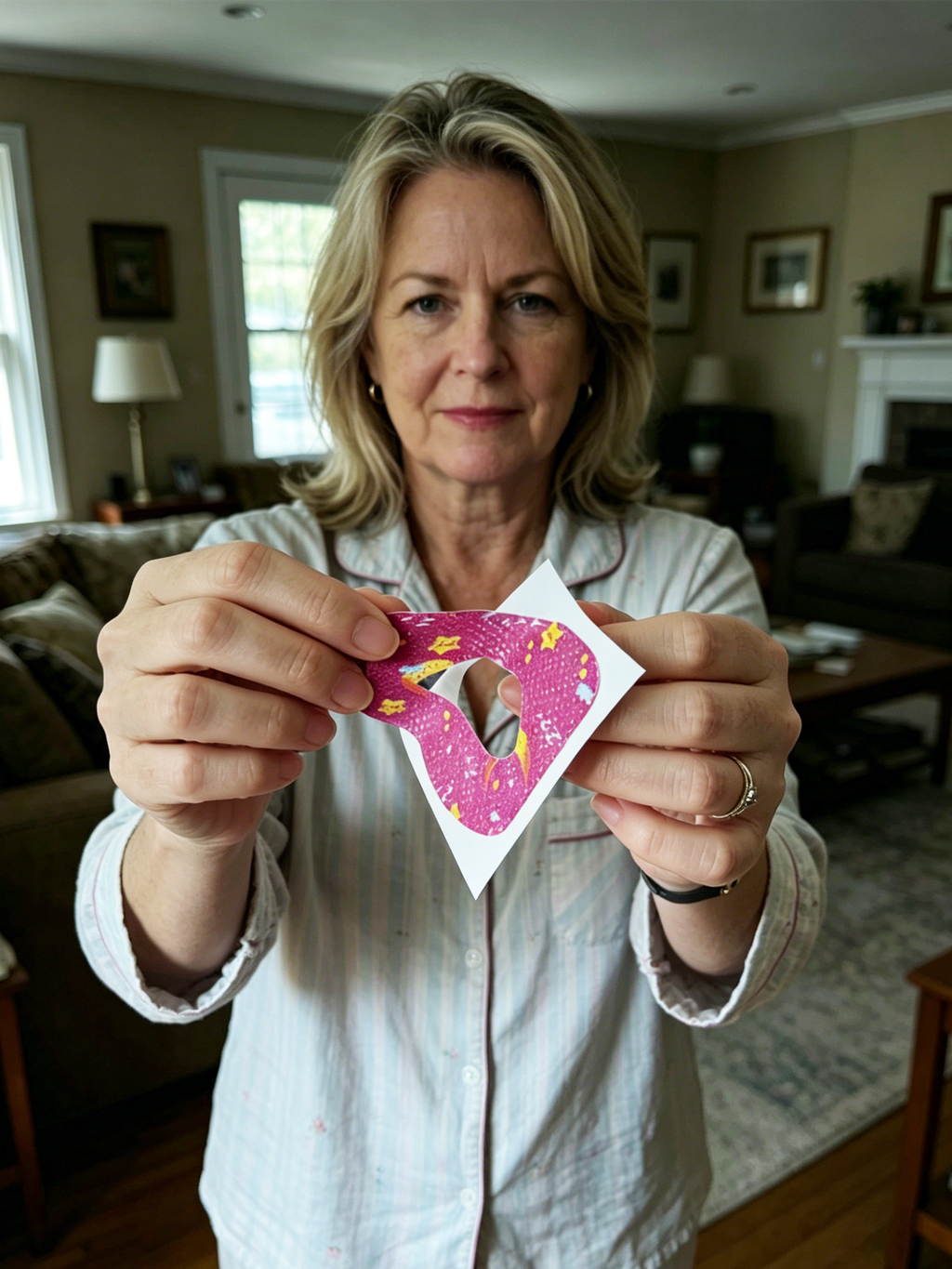
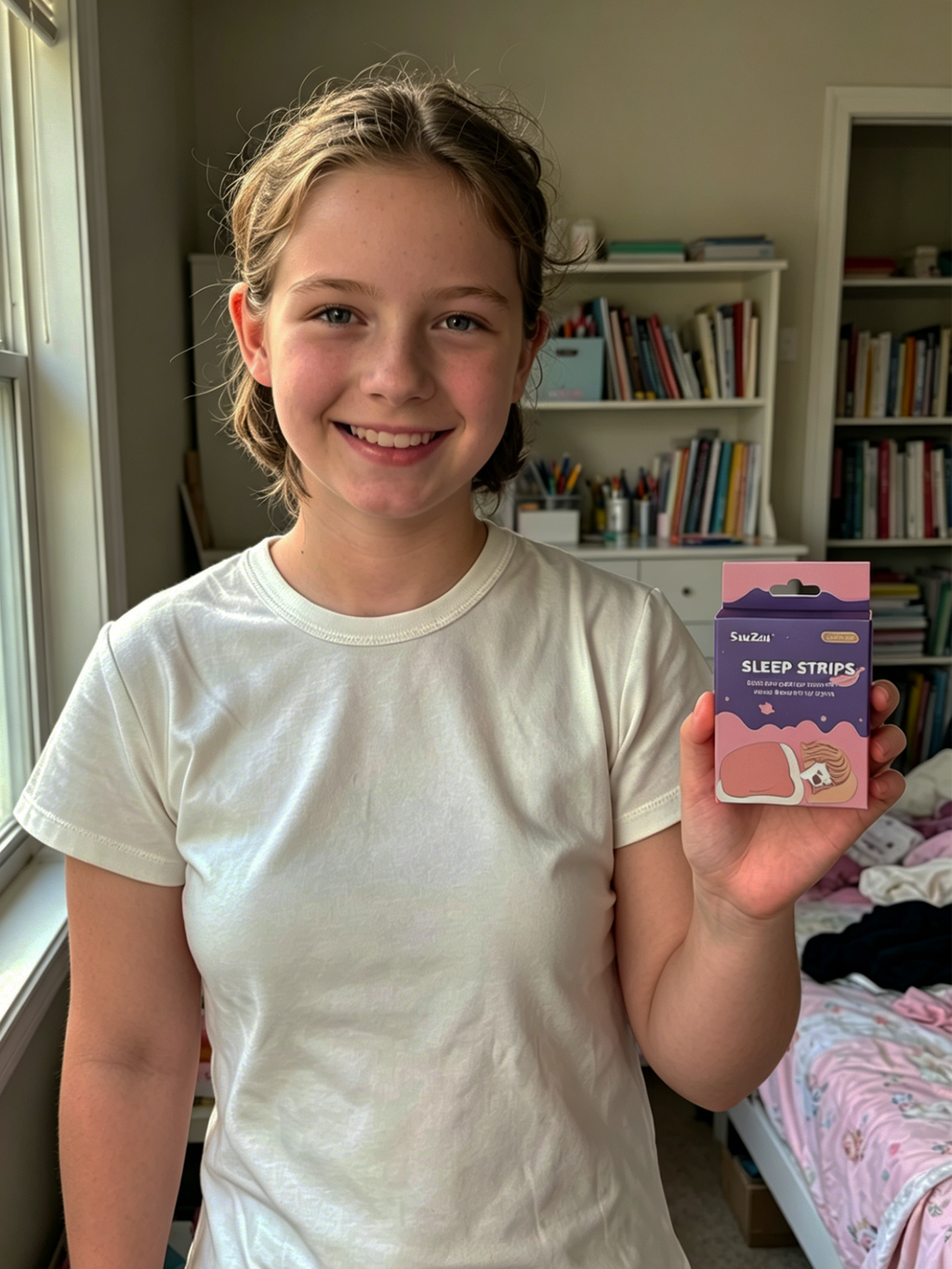
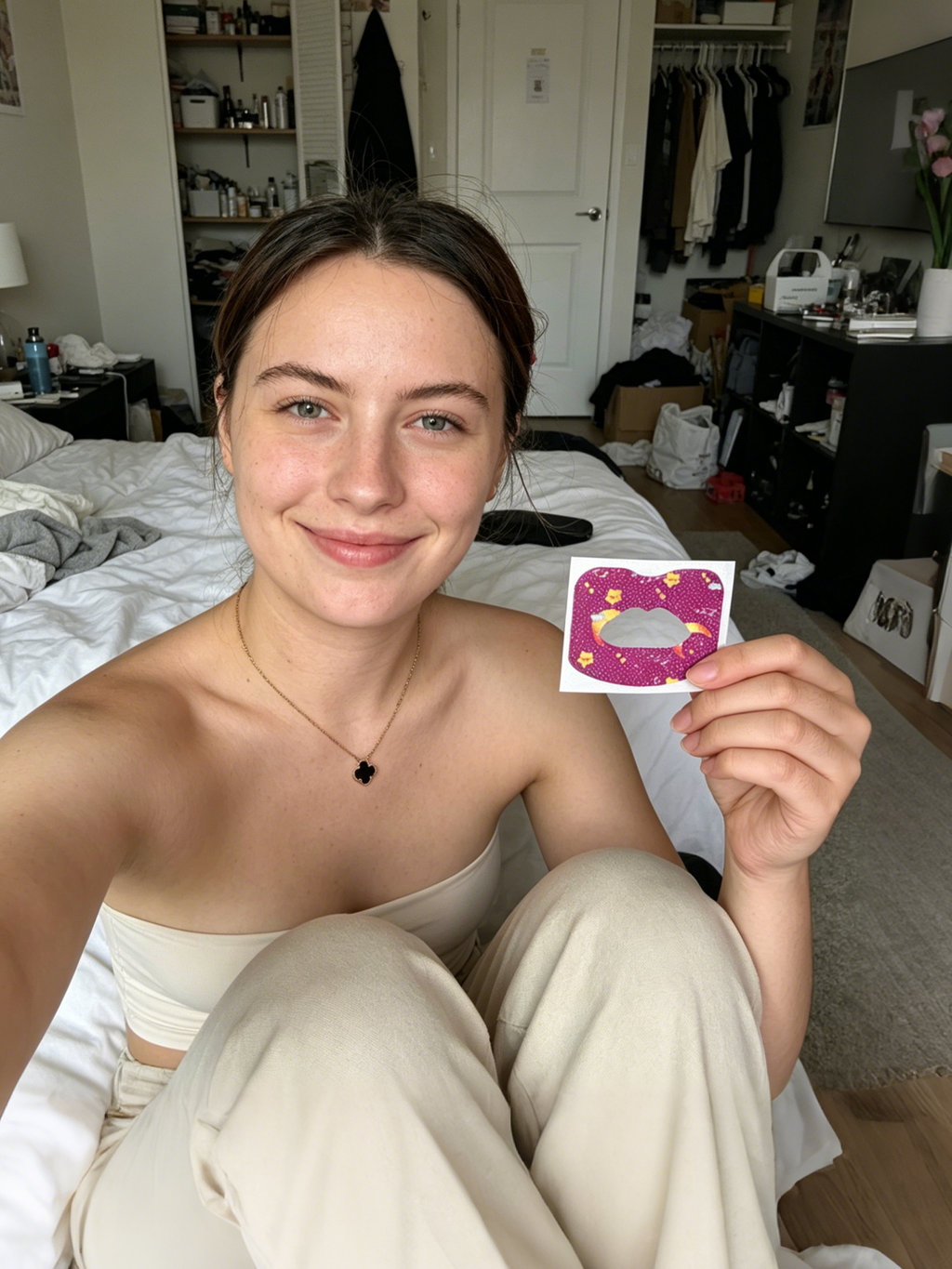
“Kids' Style,” a cartoon print and a small outline describe how a product is presented. They do not establish that it is appropriate for a particular child. Read the manufacturer's actual age restrictions and intended-use information; do not treat the absence of an age warning as medical clearance.
A hole or open center does not prove that a finished product provides enough airflow during sleep. A bridge or cut line is likewise a design detail, not a tested safeguard. Descriptions such as “gentle” or “medical-grade” also do not establish pediatric safety.
A preliminary mouth-taping study involved 20 selected adults, not children. A 2025 systematic review also found a limited evidence base. These findings do not establish a universal safe starting age or routine for children. Adult experiences and testimonials cannot fill that gap; start with your child's clinician, not an online age rule.
Never use mouth tape on a child who cannot reliably communicate discomfort or remove it independently.
A child agreeing to wear something, or removing it easily while awake, does not demonstrate that they will wake and respond in the same way during sleep. A parent's presence or a home monitor should not be treated as a substitute for evidence of suitability.
Do not force or reward a child to tolerate discomfort, restrict their ability to open their mouth or add stronger layers after they pull tape away. Avoid turning a breathing concern into a bedtime compliance exercise.
If a clinician proposes any intervention involving the mouth, clarify its exact purpose, evidence, product, setting and monitoring requirements. Advice about exercises, a dental appliance or another treatment should not be reinterpreted as permission to tape the mouth closed overnight.
Breathing suitability and skin tolerance are different questions. Adhesives can irritate skin, and removal can disturb its outer layer. Research on medical tapes shows that constructions differ, but the cited study was not a pediatric mouth-tape trial and cannot establish tolerance for a child. Turnbull and colleagues, 2024.
Do not apply tape to sore, cracked or irritated skin, or use a product containing an adhesive to which the child has reacted. If redness, itching, swelling, blistering or pain occurs, stop using it and seek advice as appropriate. No skin observation can establish breathing safety or rule out a later reaction.
If a child wearing tape becomes distressed or has difficulty breathing, remove the tape immediately. Do not respond by changing to another shape, making an opening or waiting for the child to become accustomed to it.
For severe breathing difficulty or blue or gray discoloration, call your local emergency number immediately. If a child is unresponsive and not breathing normally, call for emergency help and start CPR straight away, following the dispatcher's instructions. See the NHS child-resuscitation guidance. The AAP sleep-apnea guide and AAP tonsil and adenoid guidance describe urgent breathing warning signs.
Repeated snoring, gasping or breathing pauses also warrant prompt medical attention when the child is not in immediate distress. Do not resume taping while trying to determine the cause yourself.
A useful conversation with your pediatrician, pediatric ENT specialist or sleep clinician can start with these questions:
Great Ormond Street Hospital explains that evaluation and treatment depend on the child and the cause. A sleep study may be part of that process. Do not stop or replace a prescribed treatment with tape.
While seeking advice, keep bedtime calm and consistent. Supporting a comfortable routine and understanding breathing symptoms are different tasks. For more on the product-design distinction, read Why Different People Need Different Mouth Tape Designs; that guide is not a pediatric-use recommendation.
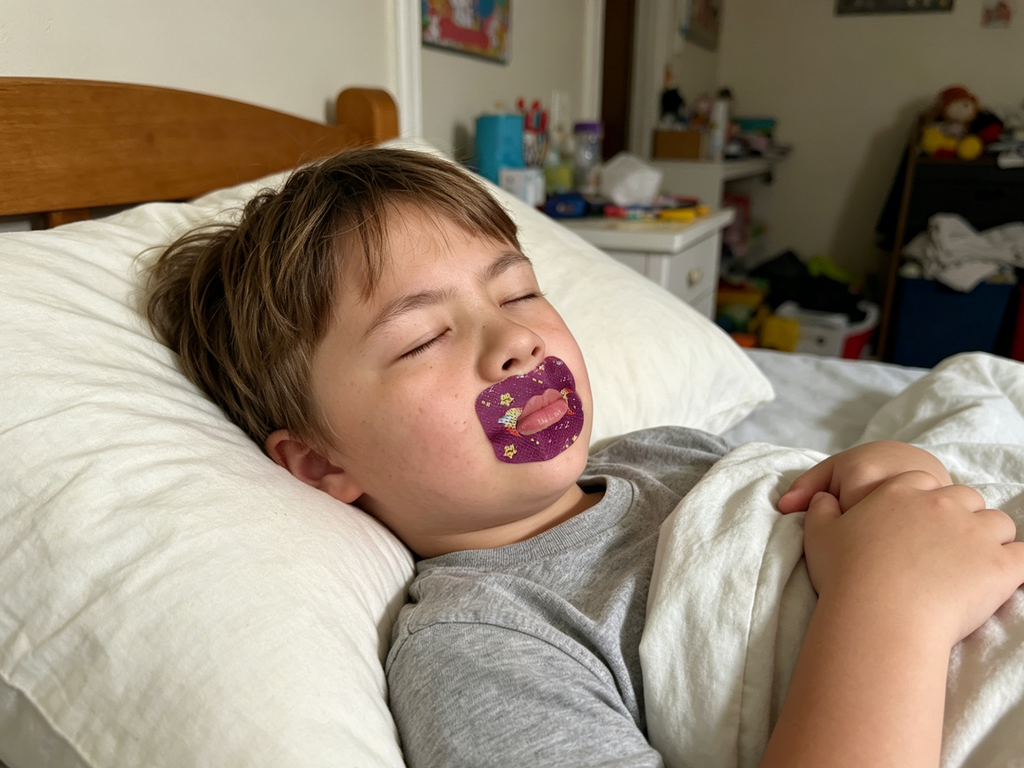
Published September 20, 2026. Written by SouZou for parent education, not as individual medical advice. The pediatric sources describe breathing concerns and clinical care; they do not endorse SouZou products or routine mouth taping. The bedroom image is an AI-generated editorial illustration.
RELATED ARTICLES
Make a few practical changes to light, sound, temperature and bedding so your sleep space feels more supportive of rest.
Read MoreUnderstand what your nose does, what that means for nighttime comfort, and when breathing symptoms deserve attention.
Read MoreFive everyday starting points for a more consistent sleep routine, with small changes you can make your own.
Read More