5 Habits for Better Sleep
Five everyday starting points for a more consistent sleep routine, with small changes you can make your own.
Read MoreNasal Breathing
Understand what your nose does, what that means for nighttime comfort, and when breathing symptoms deserve attention.

Your nose helps prepare incoming air before it reaches your lungs. Its lining traps some airborne particles, while the nasal passages add warmth and moisture. These are established functions of the nose, described by Kent Community Health NHS Foundation Trust. They explain why comfortable nasal breathing is worth paying attention to, but they do not tell the whole story of a good night's sleep.
Filtering, warming and humidifying air do not, by themselves, prove that changing your breathing route will deepen sleep, prevent snoring or improve overnight oxygen levels. Those are separate clinical questions. This guide makes no such promise. A useful starting point is to notice whether breathing feels comfortable and whether sleep leaves you able to function during the day, rather than trying to achieve a particular breathing pattern overnight.
If congestion keeps returning, note when it happens and whether sneezing or itchy eyes accompany it. Pollen, dust mites and other allergens can cause nasal symptoms. A pharmacist can discuss suitable options; seek healthcare advice if symptoms affect sleep or do not improve. The NHS allergic rhinitis guide explains common triggers and care options. Bring your observations to that conversation instead of assuming the cause.
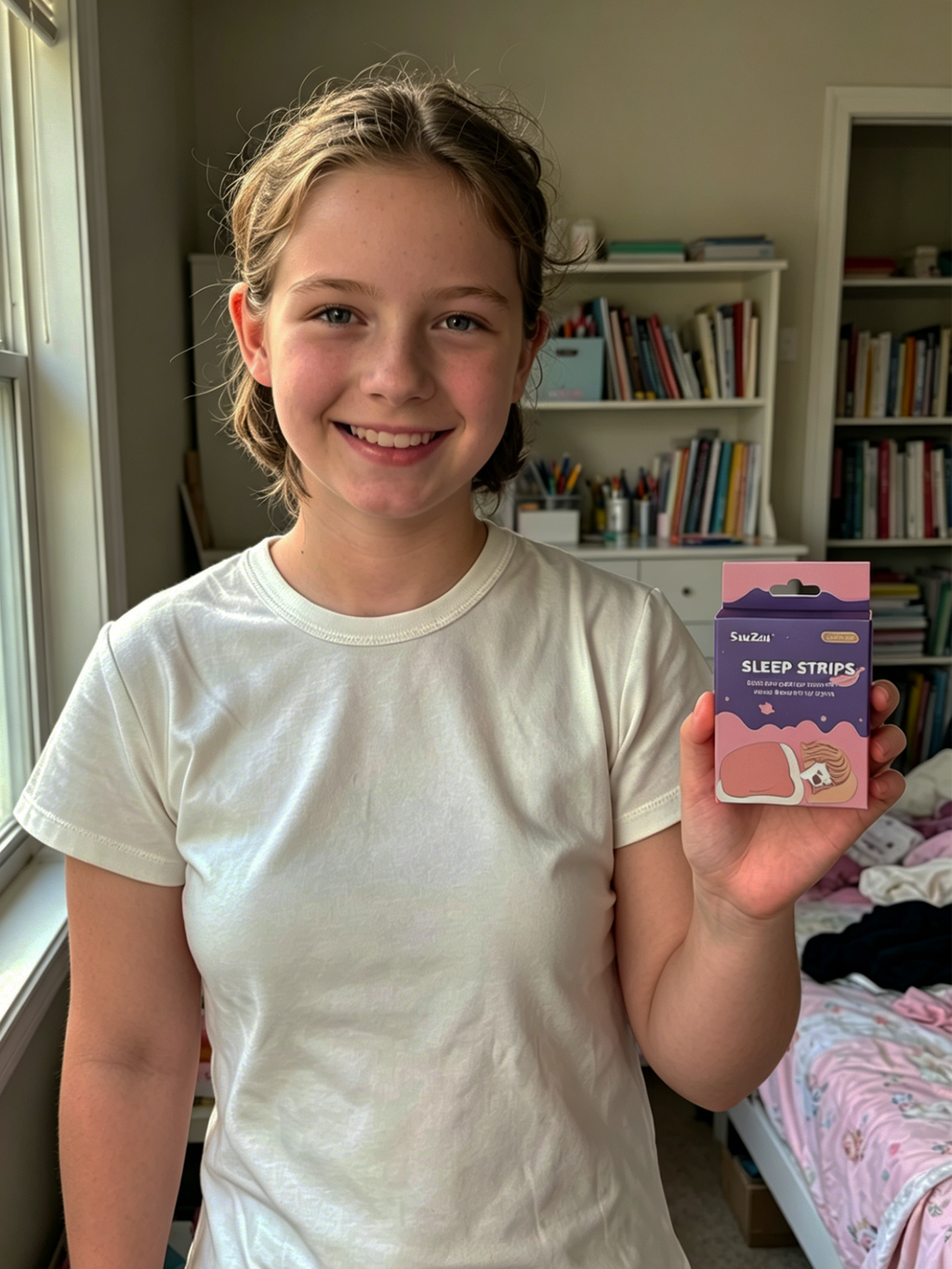
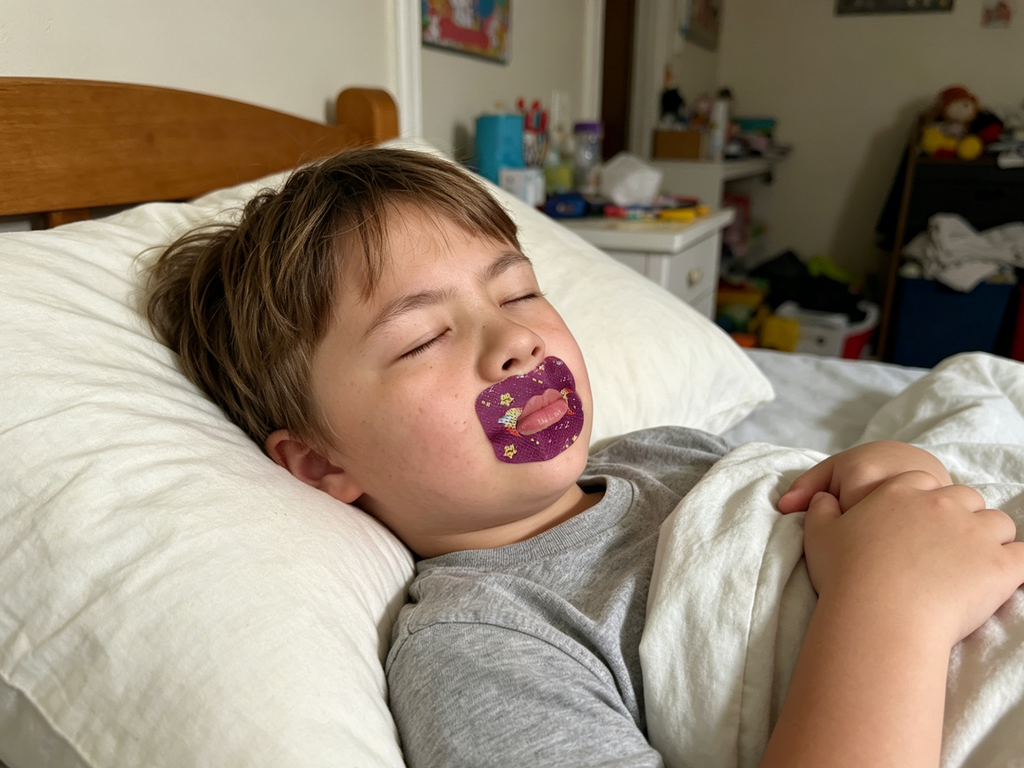
For a few mornings, write down anything you noticed overnight: congestion, awakenings or comments from a partner. A brief note is enough; you do not need to monitor every breath. Use these observations to prepare questions, not to diagnose yourself. Do not force nasal breathing through a blocked nose. This guide does not recommend mouth taping, and sealing the mouth should not be used to manage unexplained nighttime breathing symptoms.
Persistent snoring, gasping, breathing pauses or daytime sleepiness warrant healthcare advice. They can be signs of sleep apnea, although symptoms alone do not establish a diagnosis. NHLBI describes these warning signs and notes that a sleep study may be needed. Tell your clinician what you or your partner have observed, including how often it happens and whether it affects daily activities.
For general information only; this content is not medical advice or a diagnosis. Speak with a healthcare professional about persistent sleep or breathing concerns. These guides do not recommend mouth taping or claim that a product treats sleep disorders.
RELATED ARTICLES
Five everyday starting points for a more consistent sleep routine, with small changes you can make your own.
Read MoreBuild a flexible transition from a busy day to bedtime, without turning rest into another demanding checklist.
Read MoreLook beyond the alarm: allow time to wake, notice your daytime energy, and recognize when tiredness needs a closer look.
Read More