Why Nasal Breathing Matters for Better Sleep
Understand what your nose does, what that means for nighttime comfort, and when breathing symptoms deserve attention.
Read MoreHealthy Lifestyle
Five everyday starting points for a more consistent sleep routine, with small changes you can make your own.

Choose a wake-up time you can usually keep, including on days off, and leave enough time for sleep before it. CDC recommendations vary by age: adults aged 18-60 generally need at least seven hours. Put your intended sleep window alongside work and family commitments when planning the week. If the numbers do not fit, identify an evening task that can move rather than assuming sleep will fit around everything else.
Caffeine can interfere with sleep for hours after a drink. NHLBI notes that its effects can last up to eight hours. Include tea, cola and energy drinks when reviewing your routine, not just coffee. Try moving your last caffeinated drink earlier, then notice how bedtime feels. Keep a replacement you enjoy available so the change is practical during a busy afternoon.
Regular physical activity can support better sleep, according to the CDC's physical activity guidance. Choose something that suits your abilities and interests, such as walking, dancing or cycling. Start with a manageable opportunity in your existing day: a break, an errand or time with a friend. You do not need to turn every session into a performance target to make movement part of your routine.
A quiet, dark and comfortably cool room supports sleep. That advice appears in NHLBI's insomnia guidance. Look for one specific disturbance: a bright hallway, notifications or bedding that feels too warm. Address the easiest one first using what you already have. For a shared bedroom, agree on a change together. A comfortable room does not have to resemble a hotel or require new purchases.
Choose a quiet activity before bed and avoid using alcohol as a sleep aid: it can make sleep lighter and more interrupted, as NHLBI explains. Reading or listening to gentle music are options. Pick one habit from this page to begin with, rather than rewriting your whole day. If sleep problems persist or affect daily life, speak with a healthcare professional; habits are a starting point, not a guarantee.
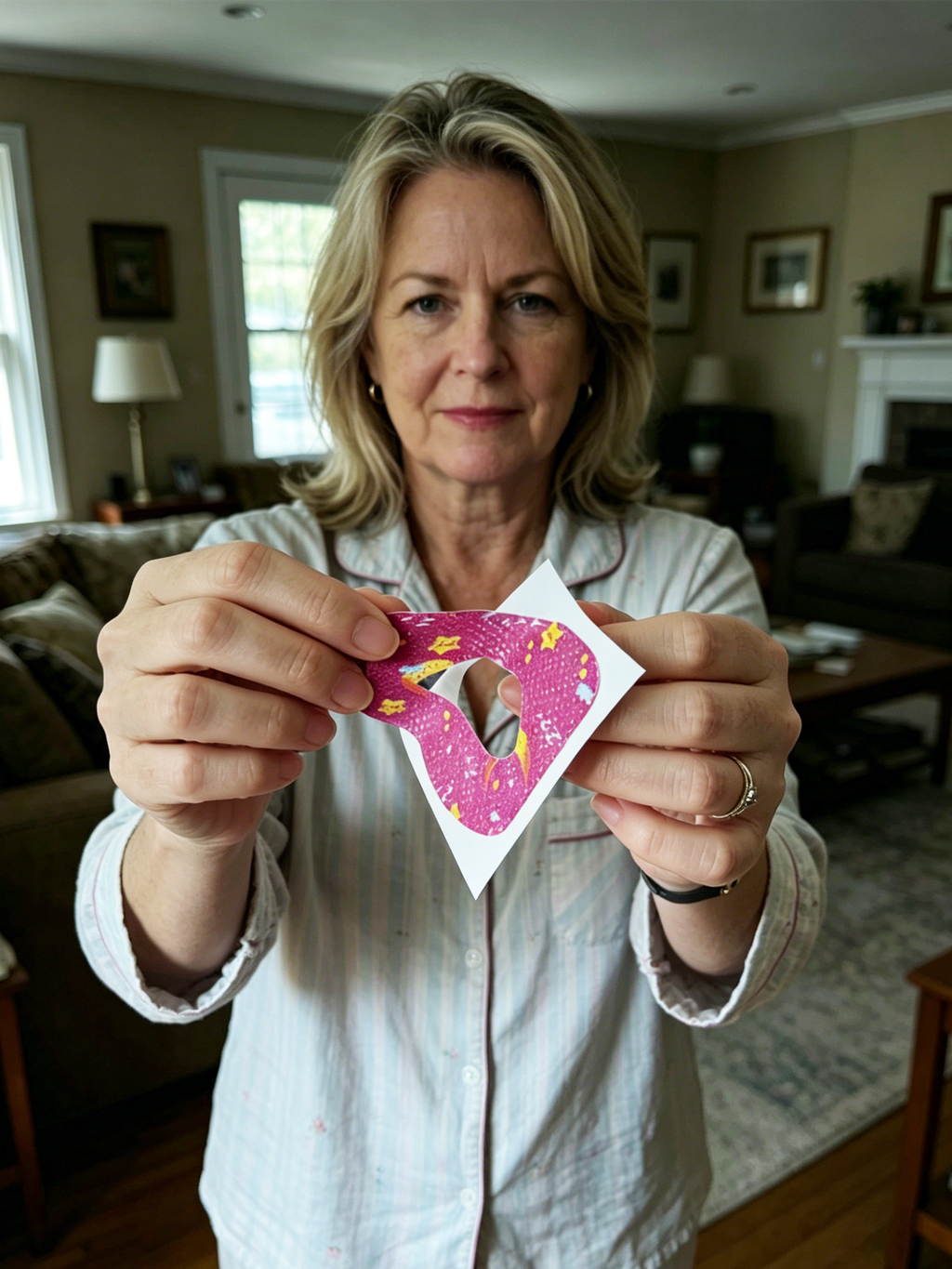
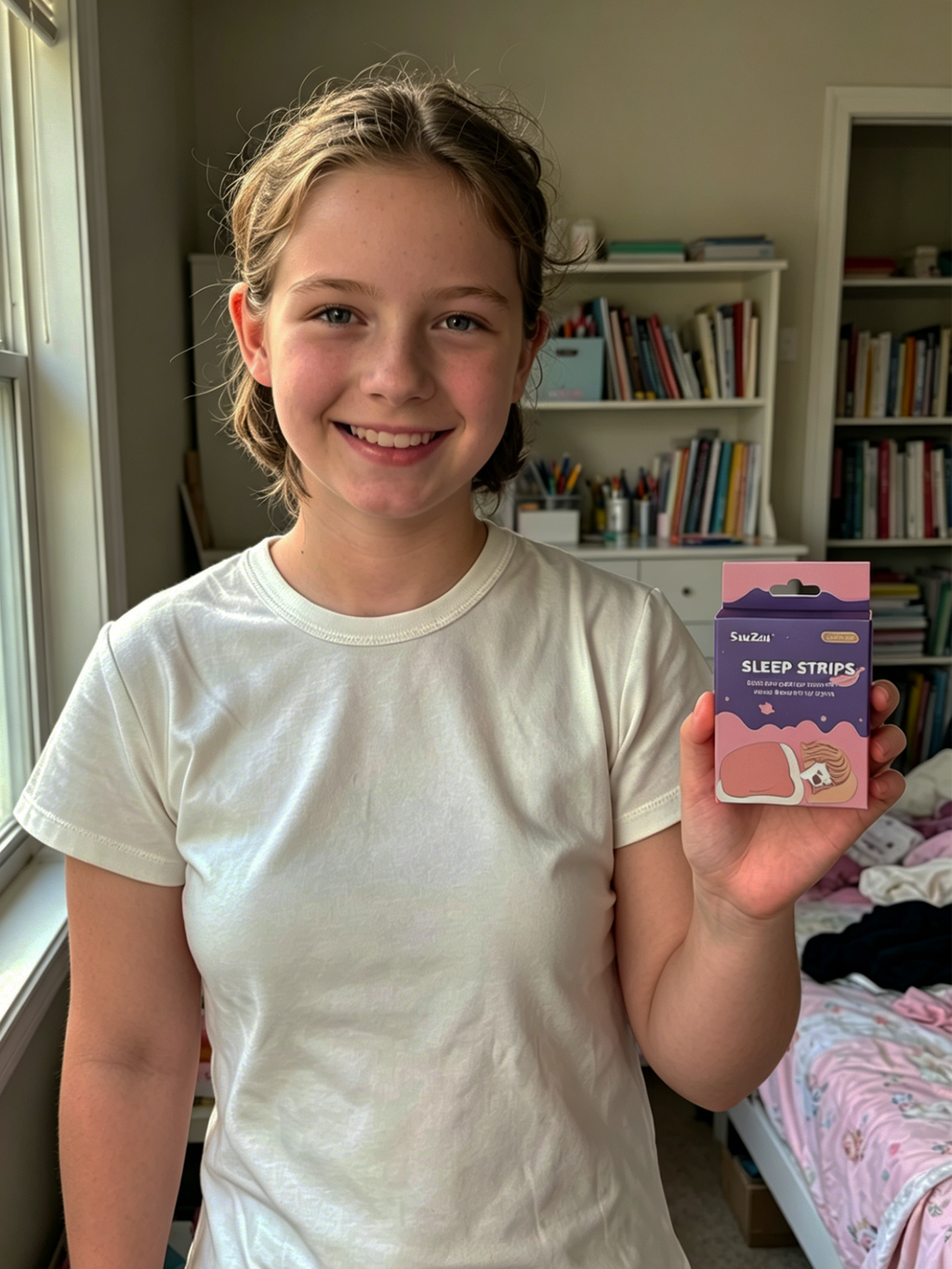
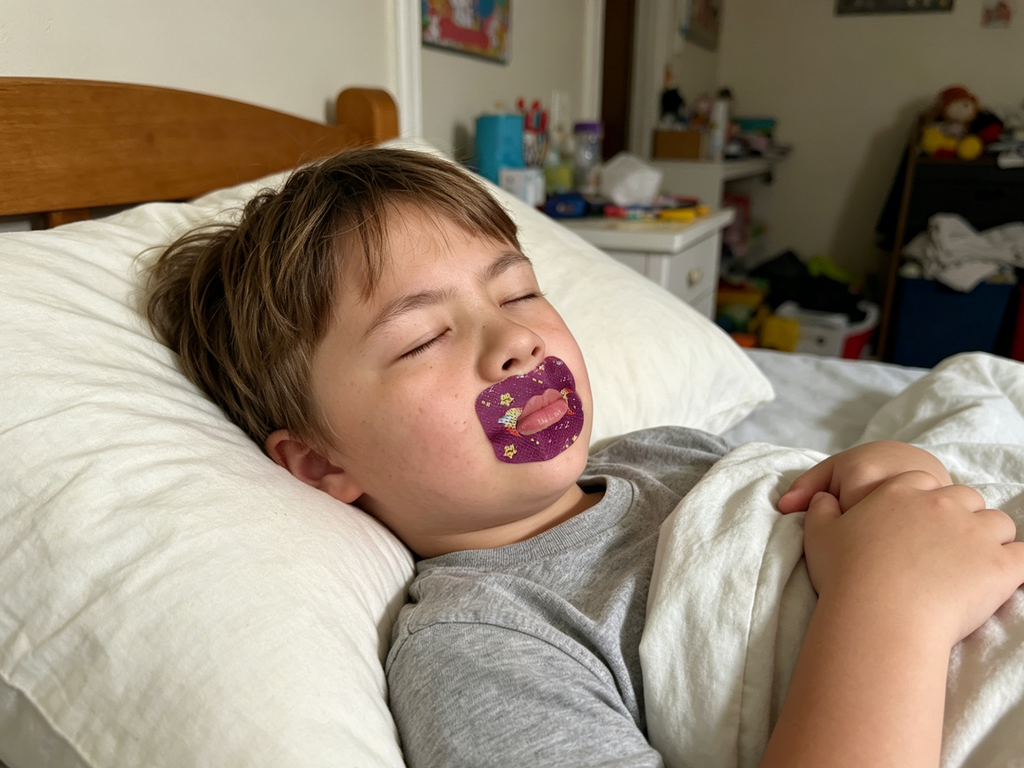
For general information only; this content is not medical advice or a diagnosis. Speak with a healthcare professional about persistent sleep or breathing concerns. These guides do not recommend mouth taping or claim that a product treats sleep disorders.
RELATED ARTICLES
Understand what your nose does, what that means for nighttime comfort, and when breathing symptoms deserve attention.
Read MoreBuild a flexible transition from a busy day to bedtime, without turning rest into another demanding checklist.
Read MoreLook beyond the alarm: allow time to wake, notice your daytime energy, and recognize when tiredness needs a closer look.
Read More